Cryptocurrency continues to reshape the financial landscape with rapid innovations and shifting market dynamics. From the rise of decentralized finance to the integration of NFTs and blockchain technology into everyday applications, staying informed is more crucial than ever.
Investors and enthusiasts alike face a whirlwind of trends that can influence decisions and opportunities. Understanding these patterns helps navigate the volatile market with greater confidence and insight.
Let’s dive deep and uncover what’s truly driving the crypto world forward in today’s fast-paced environment. I’ll guide you through the details so you can grasp the full picture!
The Evolution of DeFi: Beyond Traditional Finance
How Decentralized Finance is Changing Lending and Borrowing
Decentralized finance, or DeFi, has revolutionized how we think about loans and credit. Instead of relying on banks or credit agencies, DeFi platforms use smart contracts on blockchains to facilitate peer-to-peer lending.
I’ve personally experimented with some DeFi lending protocols, and what struck me was the transparency and speed of transactions. Unlike traditional loans that require lengthy approval processes and credit checks, DeFi loans can be approved almost instantly, often without any intermediaries.
This creates opportunities for people globally who might be excluded from conventional financial systems. However, the lack of regulation also means risks like smart contract bugs or market volatility can impact your funds.
It’s a double-edged sword that requires careful consideration but opens doors to financial inclusion like never before.
Yield Farming: High Rewards with High Risks
Yield farming has become a buzzword in the crypto community, promising impressive returns on crypto holdings by providing liquidity to various DeFi protocols.
From my experience, yield farming can feel like a rollercoaster ride. While the potential for double-digit annual percentage yields (APYs) is enticing, it’s important to remember these rates fluctuate wildly depending on market demand and token incentives.
Many platforms offer rewards in their native tokens, which can surge or plummet in value overnight. The complexity of managing multiple pools and staking strategies can also be overwhelming for newcomers.
Still, for those willing to dive deep, yield farming offers a way to maximize passive income, but it demands constant attention and risk management.
Stablecoins and Their Growing Role in DeFi
Stablecoins, cryptocurrencies pegged to stable assets like the US dollar, have become essential pillars in DeFi ecosystems. I’ve noticed that stablecoins serve as a bridge between volatile crypto assets and traditional finance, allowing users to transact and earn yields without exposure to extreme price swings.
Popular stablecoins such as USDC and DAI provide liquidity and act as collateral on many DeFi platforms. Their growing adoption is also fueling cross-border payments and remittances, making transactions cheaper and faster than traditional methods.
However, the centralized nature of some stablecoins raises questions about regulatory scrutiny and transparency, which investors should keep in mind when integrating them into their portfolios.
The NFT Phenomenon: More Than Just Digital Art
Expanding NFT Use Cases Beyond Collectibles
When NFTs first exploded onto the scene, most people thought of them as just digital art or collectibles. However, the reality is far richer. I’ve observed that NFTs are increasingly used for everything from virtual real estate in metaverse platforms to tokenizing real-world assets like music royalties or event tickets.
This shift demonstrates the technology’s flexibility and potential to disrupt many industries. For instance, owning an NFT ticket can grant you access to exclusive events or benefits, adding a new layer of engagement and authenticity.
As brands and creators explore these avenues, NFTs are becoming tools for community building and unique digital experiences, not just speculative assets.
Challenges Around NFT Marketplaces and Sustainability
Despite the hype, NFT marketplaces face several challenges that users must navigate carefully. One issue I’ve encountered is the environmental impact of blockchain networks used for minting NFTs, especially those relying on proof-of-work consensus mechanisms.
This has sparked debates and pushed many platforms to migrate toward more eco-friendly solutions like proof-of-stake. Additionally, the proliferation of fake or plagiarized NFTs can undermine trust in the market, requiring better verification systems.
Buyers need to be vigilant and research creators and platforms thoroughly. While NFTs offer exciting opportunities, these challenges highlight the importance of sustainable and secure growth in the space.
How NFTs Are Influencing Creator Economies
NFTs are reshaping how creators monetize their work and connect with fans. From my perspective, the ability to sell limited-edition digital content directly to supporters without intermediaries is empowering artists, musicians, and writers.
This direct relationship often leads to stronger community engagement and recurring revenue through royalties encoded in the NFT smart contract. For example, every time an NFT is resold, the creator can automatically receive a percentage of the sale, a feature unheard of in traditional art markets.
This model encourages long-term value creation and incentivizes quality over quantity, marking a significant evolution in creative industries.
Blockchain Integration in Everyday Technology
How Blockchain is Enhancing Supply Chain Transparency
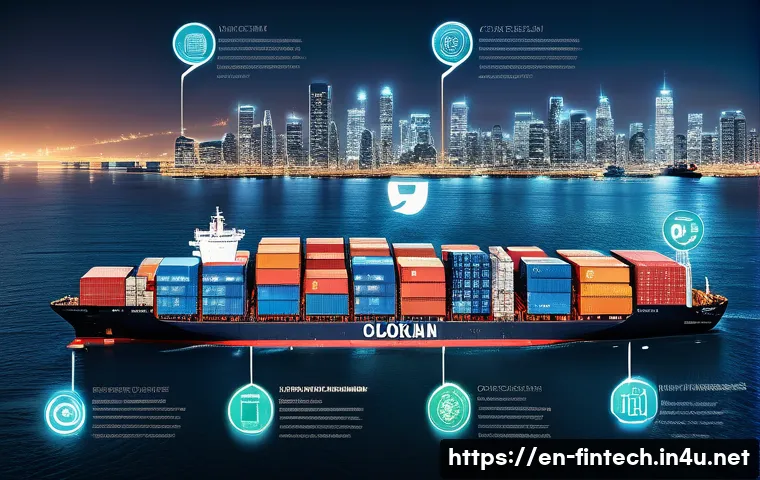
Blockchain’s promise of immutability and transparency is being applied to supply chains across sectors like food, pharmaceuticals, and luxury goods. I’ve seen firsthand how companies use blockchain to trace products from origin to consumer, reducing fraud and improving safety.
This technology allows stakeholders to verify authenticity and ethical sourcing, which is increasingly important to conscious consumers. For example, scanning a QR code on a product can reveal its entire journey, fostering trust and accountability.
While still emerging, blockchain-based supply chain solutions are gaining traction as industries strive for more transparent and efficient operations.
Blockchain’s Role in Digital Identity and Privacy
Managing digital identity securely is a growing concern, and blockchain offers promising solutions. I’ve experimented with decentralized identity platforms that give users control over their personal data, allowing selective sharing without relying on centralized authorities.
This approach can reduce identity theft and simplify verification processes for services like banking or healthcare. However, widespread adoption requires interoperability standards and regulatory support.
Privacy remains a delicate balance, and blockchain’s cryptographic features offer tools to protect user data while enabling trusted interactions, signaling a future where individuals regain ownership of their digital identities.
The Rise of Blockchain in Gaming and Virtual Worlds
The gaming industry is rapidly embracing blockchain to create new economic models and player experiences. In games I’ve played that integrate blockchain, players can truly own, trade, and monetize in-game assets as NFTs, breaking free from traditional game economies controlled solely by developers.
This shift enables player-driven marketplaces and even the potential to earn real income through gameplay, often called “play-to-earn.” Additionally, blockchain-based virtual worlds or metaverses allow users to buy land, build, and socialize in decentralized environments.
While still early days, these innovations are transforming how we interact with digital entertainment and social spaces.
Regulatory Landscape and Its Impact on Crypto Markets
Global Regulatory Trends Affecting Cryptocurrency
The regulatory environment around cryptocurrency is evolving rapidly worldwide, and it’s crucial to stay informed. I’ve noticed that some countries are embracing crypto innovation with clear guidelines, while others impose strict bans or heavy restrictions.
For example, jurisdictions like Switzerland and Singapore have positioned themselves as crypto hubs by offering favorable frameworks, attracting startups and investors.
Conversely, regions with unclear or hostile regulations can create uncertainty, leading to market volatility. Understanding these differences helps investors and businesses navigate compliance and anticipate potential shifts that could impact asset values or operational capabilities.
How Taxation Rules Influence Crypto Adoption
Tax policies surrounding cryptocurrencies are becoming more defined but remain complex. From my experience, many crypto users underestimate how tax obligations can affect profitability, especially when trading frequently or using DeFi protocols.
Tax authorities in several countries require detailed reporting of gains, losses, and income from crypto activities. Failure to comply can result in penalties.
On the other hand, clear tax rules can legitimize the market and encourage broader adoption by providing certainty. It’s wise to consult tax professionals familiar with crypto to optimize strategies and avoid surprises during tax season.
The Role of Central Banks and CBDCs
Central bank digital currencies (CBDCs) are gaining momentum as governments explore digital versions of fiat currencies. I find it fascinating how CBDCs could coexist with cryptocurrencies, potentially offering faster payments and financial inclusion while maintaining regulatory oversight.
Unlike decentralized cryptocurrencies, CBDCs are centralized and controlled by monetary authorities, which might appeal to those wary of crypto volatility.
However, their introduction could reshape how we use money daily and impact crypto market dynamics. Keeping an eye on CBDC developments is essential for anyone involved in the digital finance ecosystem.
Technological Innovations Driving Crypto Forward
Layer 2 Solutions: Scaling Blockchain Networks
One of the biggest hurdles for blockchain adoption has been scalability, and layer 2 solutions are addressing this head-on. Through my use of platforms implementing layer 2 technologies like rollups or sidechains, I’ve experienced significantly faster transactions and lower fees without sacrificing security.
These enhancements make blockchain applications more practical for everyday use, from microtransactions to complex smart contracts. Layer 2 solutions are crucial for mass adoption, as they alleviate congestion on main networks and improve user experience, which is often cited as a barrier for newcomers.
The Emergence of Cross-Chain Interoperability
The ability for different blockchains to communicate seamlessly is transforming how assets and data move across ecosystems. Interoperability protocols enable users like me to transfer tokens or information between networks without cumbersome exchanges or bridges.
This interconnectedness fosters innovation by combining strengths of various blockchains and expanding access to diverse DeFi and NFT platforms. While still a work in progress, cross-chain solutions are critical for building a unified decentralized internet and reducing fragmentation in the crypto space.
Advances in Smart Contract Security
Security remains a paramount concern in crypto, especially with smart contracts handling billions in value. I’ve observed increased focus on auditing tools, formal verification, and bug bounty programs to improve contract reliability.
These measures help prevent costly exploits and build user trust. Despite advances, vulnerabilities still exist, and ongoing vigilance is necessary. Educating oneself about the risks and choosing platforms with transparent security practices is key to safeguarding assets in this fast-evolving landscape.
Market Sentiment and Behavioral Trends
Impact of Social Media on Crypto Price Movements
Social media platforms have become powerful drivers of crypto market sentiment. From my observations, tweets by influential figures or viral posts can trigger sharp price swings within minutes.
This creates a landscape where emotions and hype often outweigh fundamentals, making timing and information crucial for traders. While this can lead to exciting gains, it also introduces volatility and risk.
Learning to filter noise and focus on credible sources is essential to navigate the emotional rollercoaster of crypto investing.
The Growing Role of Institutional Investors
The influx of institutional investors has brought both liquidity and legitimacy to crypto markets. I’ve noticed that their participation often stabilizes prices during turbulent times but can also lead to more sophisticated trading strategies influencing market behavior.
Institutions’ demand for regulated products like futures and ETFs is driving new financial instruments and infrastructure development. This trend signals crypto’s maturation as an asset class but also introduces complexities that retail investors should understand when entering the market.
Psychology of FOMO and Market Cycles
Fear of missing out, or FOMO, is a psychological driver that heavily influences crypto markets. I’ve personally experienced how it can lead to impulsive decisions during bull runs, chasing skyrocketing prices without thorough analysis.
Recognizing these emotional patterns helps in developing disciplined investment approaches. Markets tend to move in cycles of boom and bust, and understanding this can prevent panic selling or overenthusiastic buying.
Building patience and maintaining a long-term perspective often results in better outcomes in the volatile crypto environment.
| Trend | Key Features | Potential Risks | Opportunities |
|---|---|---|---|
| DeFi Lending | Instant loans via smart contracts, no intermediaries | Smart contract bugs, regulatory uncertainty | Financial inclusion, fast access to credit |
| NFT Expansion | Beyond art: gaming, real estate, royalties | Environmental concerns, fake NFTs | New monetization models, community engagement |
| Blockchain in Supply Chains | Transparency, product traceability | Adoption barriers, data privacy issues | Consumer trust, fraud reduction |
| Regulation & CBDCs | Government oversight, digital fiat currencies | Market uncertainty, centralization concerns | Financial stability, broader access |
| Layer 2 & Interoperability | Scalability, cross-chain asset transfer | Technical complexity, security risks | Improved user experience, unified networks |
Conclusion
Decentralized finance, NFTs, blockchain integration, and evolving regulations are reshaping the financial and digital landscapes in profound ways. While these innovations offer exciting opportunities for inclusion, creativity, and efficiency, they also come with inherent risks and challenges. Staying informed and cautious is key to navigating this dynamic ecosystem successfully. Embracing these technologies thoughtfully can unlock new potential for individuals and industries alike.
Useful Information to Keep in Mind
1. DeFi lending enables instant, peer-to-peer loans without traditional intermediaries, but it requires vigilance against smart contract vulnerabilities and regulatory changes.
2. NFTs extend beyond digital art, offering new ways for creators to monetize and engage communities, though buyers should watch for environmental impacts and authenticity issues.
3. Blockchain enhances supply chain transparency, increasing consumer trust and reducing fraud, yet widespread adoption depends on overcoming privacy and technical hurdles.
4. Regulatory developments and CBDCs influence crypto markets by balancing innovation with oversight, making it vital to monitor global policy trends.
5. Layer 2 scaling and cross-chain interoperability improve blockchain usability and network connectivity, but users must be aware of the technical complexities and security considerations involved.
Key Takeaways
Innovations in decentralized finance and blockchain technology present transformative possibilities but require a balanced approach that weighs benefits against risks. Users should prioritize security, stay updated on regulatory environments, and adopt strategies that foster long-term sustainability. By understanding the evolving landscape and exercising informed caution, individuals and businesses can make the most of these groundbreaking advancements.
Frequently Asked Questions (FAQ) 📖
Q: How can I stay updated with the rapidly changing trends in the cryptocurrency market?
A: Staying updated in the crypto world means following reliable news sources, subscribing to newsletters from trusted analysts, and participating in community forums like Reddit or Twitter where real-time discussions happen.
I personally find that setting alerts for major coins and projects helps me react quickly to market shifts. Also, watching for developments in decentralized finance (DeFi) and NFT sectors gives early clues on where innovation is heading.
Remember, consistency is key—checking in daily but avoiding information overload strikes a good balance.
Q: What are the main risks involved when investing in cryptocurrencies today?
A: The crypto market is famously volatile, so price swings can be dramatic and swift. Beyond volatility, regulatory changes, security breaches, and project failures pose significant risks.
From my experience, one of the biggest pitfalls is hype-driven investments without thorough research—many jump on trends like NFTs or new tokens without understanding the fundamentals.
It’s crucial to diversify your portfolio, use secure wallets, and avoid investing money you can’t afford to lose. Approaching crypto with a clear plan and realistic expectations can save you from costly mistakes.
Q: How are NFTs and blockchain technology influencing everyday applications beyond just trading?
A: NFTs and blockchain are transforming more than just digital art markets. For example, blockchain ensures transparent supply chains, enhancing trust in product authenticity.
NFTs are now used in gaming to represent unique in-game assets, giving players true ownership. I’ve noticed some companies integrating blockchain for secure identity verification and even real estate transactions, making processes faster and more transparent.
These innovations show that blockchain’s impact is expanding into practical, everyday uses, not just speculative trading.