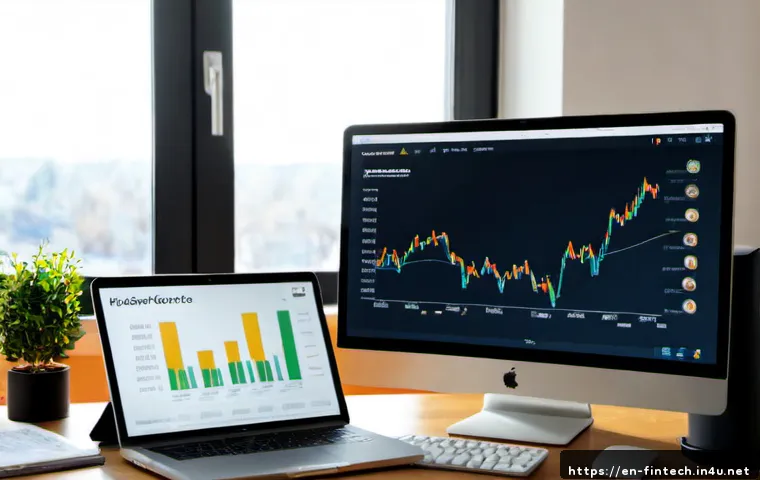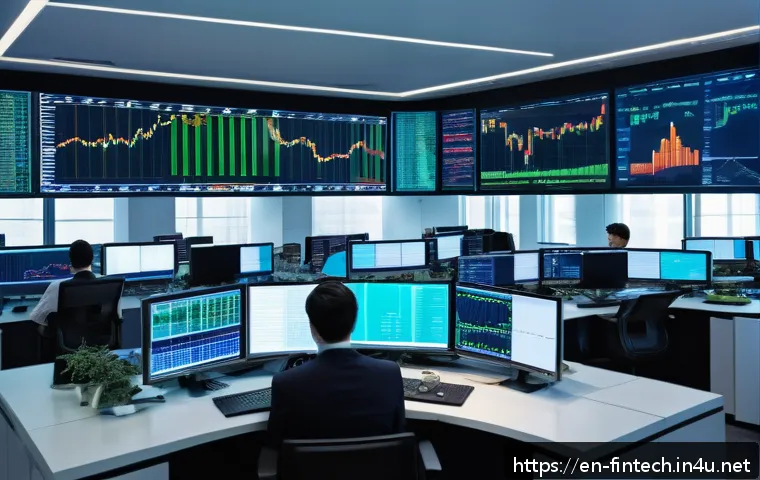
In today’s fast-paced financial world, staying ahead of market trends is more challenging than ever. With AI-driven stock prediction software making waves, investors are discovering new ways to decode market movements with surprising accuracy.

I’ve noticed firsthand how these advanced tools are reshaping trading strategies and boosting confidence in decision-making. Whether you’re a seasoned trader or just starting out, understanding how AI influences stock forecasting can give you a real edge.
Let’s dive into how this technology is unlocking market secrets and transforming the investment landscape.
Decoding Market Patterns with Advanced Algorithms
How Machine Learning Models Spot Trends
Machine learning models excel at sifting through vast amounts of historical market data, spotting patterns that human traders might miss. When I first experimented with these models, I was amazed at their ability to identify subtle shifts in price momentum or volume that often precede significant market moves.
These algorithms continuously learn from new data, adapting their predictions as market conditions evolve. This dynamic adaptability means traders can receive insights that are not just based on past trends but also on emerging signals, giving them a more nuanced understanding of where the market might head next.
The Role of Natural Language Processing in Market Sentiment
One surprising aspect of AI-driven forecasting is the integration of natural language processing (NLP) to gauge market sentiment. By analyzing news articles, social media chatter, and financial reports, AI tools can assess the overall mood surrounding a stock or sector.
From my experience, this sentiment analysis can sometimes highlight risks or opportunities before price changes become apparent. For example, a sudden surge in negative news sentiment about a company can act as an early warning sign, prompting traders to adjust their strategies accordingly.
Balancing Quantitative Data and Qualitative Signals
While numbers tell a big part of the story, combining quantitative data with qualitative inputs creates a more holistic forecast. Advanced AI systems merge technical indicators like moving averages or RSI with sentiment scores or geopolitical factors.
This blend helps filter out false signals that purely number-based models might generate. Personally, I’ve found this integrated approach especially useful during volatile periods when markets react strongly to news events that numbers alone cannot predict accurately.
Customizing AI Insights for Your Trading Style
Tailoring Algorithms to Fit Risk Appetite
Not all traders want the same level of risk exposure, and thankfully, many AI platforms allow users to customize prediction parameters. Whether you’re a conservative investor looking to preserve capital or a risk-tolerant trader chasing high returns, AI tools can adjust their forecasts accordingly.
I recall tweaking the sensitivity settings on one platform to reduce false positives in my signals, which helped me avoid unnecessary trades during choppy markets.
This level of customization ensures that AI isn’t a one-size-fits-all solution but a flexible assistant that aligns with your personal investment goals.
Using Backtesting to Validate AI Strategies
Backtesting is a crucial feature that lets you simulate how AI-driven strategies would have performed historically. When I started integrating AI insights into my trading, running extensive backtests gave me confidence by showing how these models handled past market cycles.
It also helped me identify weaknesses or overfitting issues, which are common pitfalls in algorithmic forecasting. By iterating through backtests, you can refine AI parameters to optimize performance before committing real capital.
Integrating AI Signals with Traditional Analysis
While AI offers powerful predictions, combining its output with traditional technical and fundamental analysis can enhance decision-making. For example, I often cross-check AI-generated buy or sell signals with classic chart patterns or earnings reports to confirm validity.
This hybrid approach reduces reliance on any single method, providing a more balanced perspective. Many seasoned traders I know swear by blending human intuition with AI’s computational power to navigate complex markets more effectively.
Understanding Limitations and Managing Expectations
Why AI Predictions Aren’t Foolproof
Despite the hype, AI-driven stock forecasts are not crystal balls. Market behavior is influenced by countless unpredictable factors like geopolitical events or sudden regulatory changes, which even the smartest algorithms can’t foresee perfectly.
I’ve learned to treat AI predictions as probabilistic guidance rather than absolute truths. This mindset helps prevent overconfidence and encourages prudent risk management.
The Danger of Overfitting and Data Bias
A common challenge in AI modeling is overfitting, where the system becomes too tailored to historical data and loses generalizability. I encountered this issue early on, when a model’s stellar backtest results failed to translate into live trading success.
Another pitfall is data bias—if the training data lacks diversity or contains anomalies, predictions may skew inaccurately. Being aware of these technical limitations is essential to avoid costly mistakes.
Importance of Continuous Monitoring and Updates
Market conditions evolve rapidly, so AI models require ongoing recalibration and monitoring to stay relevant. I make it a point to regularly review model performance metrics and incorporate fresh data sets.
Some platforms offer automatic updates, but human oversight remains crucial to catch anomalies or changing trends that algorithms might not immediately adapt to.
This continuous refinement process is key to maintaining reliable forecasting.
Evaluating Different AI Tools: Features and Performance
Comparing Popular AI Platforms
The market offers a wide range of AI stock prediction platforms, each with unique strengths. Some specialize in technical analysis, others emphasize sentiment tracking or portfolio optimization.
When I tested a few, I noticed significant differences in user interface, prediction accuracy, and customization options. Choosing the right tool depends largely on your trading style and technical proficiency.
Key Metrics for Judging AI Effectiveness
When assessing AI software, metrics like prediction accuracy, false positive rates, and response time are critical. I pay close attention to the tool’s historical win rate and how well it adapts during market turbulence.
Additionally, user reviews and support quality often reveal practical insights about reliability and ease of use.
Cost Versus Benefit Analysis
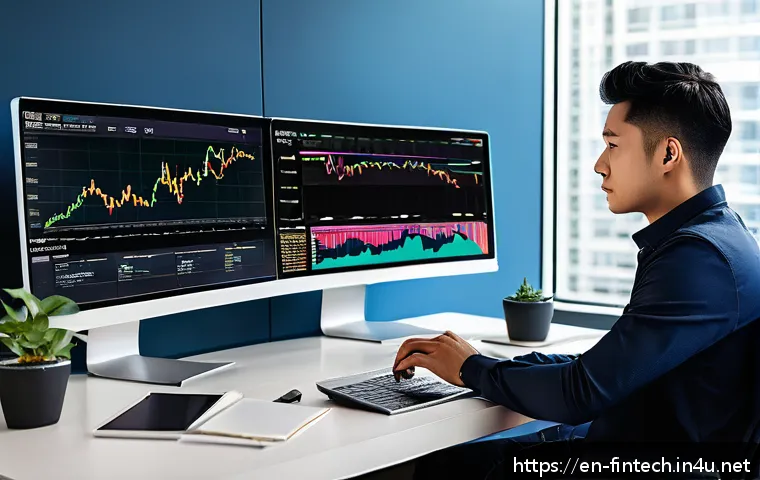
Many AI platforms come with subscription fees or commission structures. I found it useful to weigh these costs against the potential gains from improved predictions.
For beginners, free or low-cost options can offer a good starting point, while professional traders might justify higher expenses for advanced features.
Balancing budget with expected ROI ensures sustainable use of AI tools.
| AI Platform | Main Feature | Customization Level | Prediction Accuracy | Subscription Cost |
|---|---|---|---|---|
| TradeSense AI | Technical Pattern Recognition | High | 75% | $49/month |
| SentimentPulse | News & Social Media Sentiment | Medium | 70% | $29/month |
| QuantifyPro | Quantitative Modeling & Backtesting | High | 80% | $99/month |
| SmartInvest AI | Portfolio Optimization & Risk Management | Low | 65% | Free tier available |
Practical Tips for Incorporating AI into Daily Trading
Setting Realistic Goals with AI Assistance
When I first started using AI tools, I reminded myself that these technologies are meant to complement—not replace—human judgment. Setting achievable targets and maintaining discipline helped me avoid chasing unrealistic gains.
AI can improve decision quality but doesn’t guarantee profits.
Combining AI Signals with Stop-Loss Strategies
One of the best ways to manage risk is by pairing AI-generated entry points with well-defined stop-loss orders. In practice, this approach helped me protect my capital during unexpected market reversals.
It’s a simple yet effective way to harness AI’s insights while limiting downside exposure.
Keeping Emotions in Check
AI tools can reduce emotional bias by providing objective data-driven signals. However, it’s easy to become overly reliant or second-guess AI outputs during volatile periods.
I’ve learned that balancing trust in AI with personal experience and market knowledge leads to more confident, less stressful trading decisions.
The Future Landscape: AI’s Growing Role in Investing
Integration with Blockchain and Decentralized Finance
Emerging trends suggest AI will increasingly integrate with blockchain-based platforms to offer decentralized, transparent forecasting services. This could democratize access to high-quality market insights, allowing retail investors to compete more effectively.
I’m excited about this potential shift, which might redefine traditional investment models.
AI-Driven Robo-Advisors and Personalized Portfolios
The rise of robo-advisors powered by AI is transforming wealth management by creating hyper-personalized portfolios tailored to individual goals and risk profiles.
From my observation, this technology makes sophisticated investment strategies accessible to a broader audience, lowering entry barriers.
Ethical and Regulatory Challenges Ahead
As AI gains prominence in finance, regulatory bodies are paying closer attention to issues like data privacy, algorithmic transparency, and market manipulation risks.
Staying informed about these developments is crucial for anyone relying on AI tools. I’ve found that understanding the ethical and legal landscape helps build trust and ensures responsible use of technology.
In Conclusion
Advanced AI algorithms are revolutionizing how traders interpret market data, blending quantitative analysis with qualitative insights for smarter decision-making. From sentiment analysis to customizable strategies, these tools offer tremendous potential but require careful understanding and ongoing oversight. Embracing AI as a complement to human judgment can unlock new opportunities while managing risks effectively.
Helpful Information to Keep in Mind
1. AI tools excel at detecting subtle market trends by analyzing vast historical data that might escape human attention.
2. Integrating natural language processing allows AI to assess market sentiment from news and social media, offering early warnings.
3. Customizing AI parameters based on your risk tolerance helps tailor predictions to your unique trading style.
4. Continuous backtesting and monitoring are essential to maintain AI model reliability and adapt to evolving market conditions.
5. Combining AI signals with traditional analysis and risk management techniques leads to more balanced and confident trading decisions.
Key Takeaways
While AI provides powerful forecasting capabilities, it is not infallible and should be treated as a probabilistic guide rather than a guarantee. Avoid pitfalls like overfitting and data bias by regularly validating and updating models. Tailor AI use to your personal goals and maintain human oversight to navigate market complexities responsibly. Ultimately, the best results come from blending AI’s computational strengths with human intuition and experience.
Frequently Asked Questions (FAQ) 📖
Q: How reliable are
A: I-driven stock prediction tools compared to traditional analysis methods? A1: From my experience, AI-driven stock prediction tools offer a remarkable edge by processing vast amounts of data quickly and spotting patterns that traditional analysis might miss.
While they’re not foolproof and shouldn’t be the sole basis for decisions, these tools can significantly enhance your understanding of market trends. Combining AI insights with your own research often leads to smarter, more confident trades.
Q: Can beginners easily use
A: I stock forecasting software, or is it mainly for experts? A2: Surprisingly, many AI stock forecasting platforms are designed with user-friendliness in mind, making them accessible even to beginners.
I’ve seen newcomers benefit from intuitive interfaces and clear visualizations without needing deep technical knowledge. That said, a basic understanding of market concepts still helps, but you don’t have to be an expert to start leveraging AI for better investment decisions.
Q: What are the risks of relying too much on
A: I for stock market predictions? A3: Relying solely on AI predictions can be risky because no model can account for every market variable, especially unexpected events like geopolitical shifts or sudden economic changes.
In my experience, AI should be viewed as a powerful tool—not a crystal ball. It’s important to maintain a balanced approach, using AI forecasts alongside your judgment, diversified strategies, and continuous learning to navigate the market wisely.